
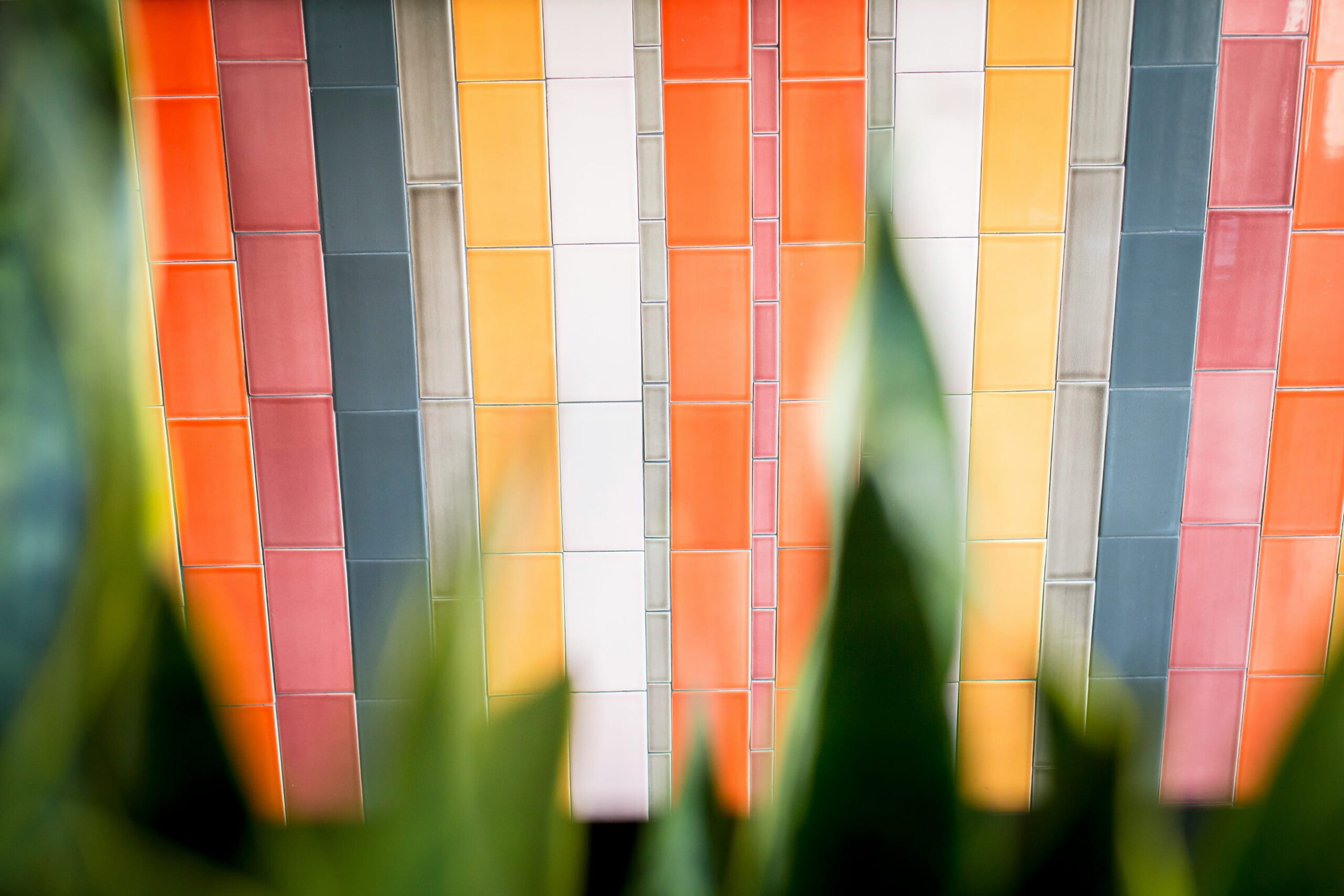


Thought sleek minimalism and occasional black-and-white branding were forever?
Gen Z would like a word.
For years, sleek branding was the gold standard. Neutral tones. Monochrome palettes. Clean lines designed to look calm, premium and effortlessly cool on a grid. And then Gen Z came along and quietly decided… no thanks.
This generation doesn’t just see colour – they use it. To express mood. To signal identity. To reject anything that feels corporate, beige, or designed purely to behave nicely on social media.
According to Vogue, Gen Z are actively turning away from black as a default in fashion, choosing bold, expressive colour instead. And that shift isn’t staying on the runway, it’s spilling into branding, design and how younger audiences emotionally connect with brands.
So, step away from the beige hex codes and start getting with the times. Let’s talk branding.
Why monochrome is taking a back seat.
This shift towards colour hasn’t happened overnight, platforms like Pinterest have been quietly tracking it for years. Pinterest Predicts 2026 makes the direction unmistakably clear: black-and-white and overly minimalist palettes are fading out, replaced by colour that feels optimistic, expressive and personal. Not loud for the sake of it, but intentional. Colour with feeling.
That makes complete sense when you look at how Gen Z actually use visual platforms. They’re not passively scrolling and double-tapping out of habit. They’re saving, curating and planning aesthetics that reflect who they are, or who they’re becoming. Colour plays a huge role in that process. It’s a shortcut to mood, identity and aspiration, all without needing to say a word.
Design communities have already caught on. Search ‘Gen Z colour palette’ anywhere and you’ll see a clear move towards unexpected combinations, high saturation and playful contrast. These palettes aren’t trying to be timeless, neutral or inoffensive. They’re trying to feel alive. And that’s exactly why they resonate.
Adobe’s research into colour psychology backs this up. Colour has a direct impact on emotional response and brand perception, especially among younger audiences who prioritise feeling over formality. In other words, Gen Z don’t just notice colour, they connect with it. It shapes how they remember brands and how those brands make them feel.
Why Gen Z don’t want ‘sleek’ anymore.
For Gen Z, sleek branding doesn’t feel aspirational, it feels… expected. And not in a comforting way. This generation has grown up surrounded by branding at every turn, from apps and packaging to interfaces and social feeds. They’ve seen the same clean layouts, muted palettes and minimalist logos recycled again and again. As a result, they’ve become very good at spotting what’s default, what’s safe, and what’s designed to offend absolutely no one.
Minimalism once signalled taste and restraint. Now, it often reads as distant, corporate and overly calculated. The kind of design that’s been optimised to behave nicely in an algorithm, rather than connect with an actual human. It’s why the once-ubiquitous black, white and beige palettes are starting to feel tired.
Ultimately, this isn’t a rebellion against good design. It’s a rejection of design that feels anonymous. Gen Z aren’t asking brands to be louder for the sake of it, they’re asking them to lead with feeling. And increasingly, colour is how that feeling comes through.
Colour as identity, not decoration.
This generation grew up customising everything. Phone cases, playlists, avatars, profiles, feeds. Taste is something you build, tweak and refine over time, not something handed down by brands. Colour plays a massive role in that process. It helps people signal who they are, what they care about and how they want to be perceived, sometimes more clearly than words ever could.
That’s why Gen Z respond so strongly to brands that use colour with intent. Not just “on-brand” colours, but palettes that feel expressive, specific and emotionally aware. Bright can mean joyful. Muted can feel grounding. Unexpected combinations can suggest confidence or creativity. None of it is accidental, and none of it is passive.
What’s interesting is that this has shifted how people judge brands. Instead of asking “does this look premium?”, Gen Z are more likely to ask “does this feel like me?”
The rise of bold, playful brand palettes.
If you want to see where Gen Z colour is heading, you don’t need to look far, design spaces are already full of it, and some brands are already making the most of it.
Take Crocs. Their glow-up didn’t come from trying to look sleeker or more refined. Quite the opposite. Crocs leaned fully into their ugly-cute aesthetic at a time when most brands were still clinging to minimalism. Bright colours, exaggerated silhouettes and playful design became the whole point, not something to hide. Add in customisable Jibbitz, collaborations with artists, and a tone that doesn’t take itself too seriously, and suddenly Crocs weren’t practical shoes anymore – they were a form of self-expression (Crocs, I’ve always loved you).
Gen Z embraced them because Crocs gave people permission to be comfortable and very much themselves. The lesson? Sometimes the smartest rebrand is doubling down on what makes you different.
We’re seeing similar thinking across newer Gen Z-favourite brands too. Starface turned acne patches into something people actively want to show off, using cheerful yellows and playful iconography. Glossier, while more restrained, uses colour sparingly but deliberately to feel friendly and human rather than polished and premium. Duolingo’s chaotic green owl might not be a “palette” in the traditional sense, but its become instantly recognisable… and impossible to ignore.
This is your mid-article reminder to make sure your French lesson is done for today.
But why has it worked so well?
What all these brands have in common is the intent of colour uses. Their palettes aren’t designed to fade quietly into a feed, they’re designed to say something. They create mood, personality and recognisability at a glance. Colour is stepping forward as a key way brands communicate feeling in a crowded visual landscape.
For marketers, the takeaway isn’t “be louder”. It’s “be clearer”!!!
Bold colour works when it’s purposeful, aligned with brand personality and used consistently. The brands winning with Gen Z aren’t throwing colour at the wall and seeing what sticks, they’re choosing palettes that feel expressive, confident and unmistakably them. And that’s exactly what makes them memorable.
Using colour with confidence, not chaos.
Before anyone has a brand meltdown, an existential crisis, or starts ripping up brand guidelines – take a breath. This isn’t a call to ditch your colours overnight or swing wildly into neon chaos. Neutral palettes aren’t suddenly blasphemous, but relying on them alone can feel a bit flat in a world where audiences are craving energy, honesty and personality.
The shift we’re seeing is more about evolution than reinvention. Colour doesn’t have to replace your brand, it can sit alongside it. Accent colours, secondary palettes, campaign-specific tones or playful applications can all add depth without undoing years of brand equity. The brands doing this well aren’t abandoning restraint; they’re using it intentionally. That’s what smart, integrated design is all about.
As we’ve seen in Adobe’s research into colour psychology, consistency still matters, colour builds recognition and trust over time, but emotion is what creates connection. When brands use colour with purpose, it strengthens how people feel about them, not just how easily they recognise them.
The key is intent. A palette chosen because it’s “safe” or inoffensive gives us nothing. Colours chosen because they’re expressive, layered, flexible and suitable for your brand are where it’s at. For brands, it’s about asking better questions. What do we want people to feel when they see us? What do we want to spark with our branding? How can we evolve?
Let’s make your brand feel more you.
Colour, design and creative choices work best when they’re joined up. The brands that truly connect are the ones where visual identity, tone and creative execution all point in the same direction. They feel considered, confident and unmistakably themselves.
That’s exactly how we work at Bamboo Nine. Our creative team works with you from the very start, making sure every colour choice, visual cue and creative idea reflects who you are and what you stand for. It’s not about following trends or forcing boldness where it doesn’t belong, it’s about building a brand that feels honest, expressive and right for your audience.
If you’re starting to question whether your brand still reflects who you are, or you’re looking to refresh, we’d love help. Sometimes, all it takes is a fresh perspective to bring everything into harmony.
Not sure where to start?
Have a quick read about our Discovery Consultation, which can give you the clearest view on what your brand needs and what it doesn’t.
Or, just get in touch for a no-obligation chat.